
.gif)


If your organization relies on cap-subject H-1B hires, the registration strategy you used over the last few seasons will need an update.
On December 29, 2025, the Department of Homeland Security (DHS) published a final rule titled “Weighted Selection Process for Registrants and Petitioners Seeking To File Cap-Subject H-1B Petitions”.
The rule takes effect on February 27, 2026, and is designed to apply in time for the FY 2027 H-1B cap registration season (expected March 2026).
The key shift: the H-1B cap selection process will be “weighted” by wage level, rather than being purely random among eligible registrants.
H1B New Wage Rule 2026: A Quick Summary
Under the new H1B rule, USCIS will still run a selection when registrations exceed the cap. But instead of giving every eligible beneficiary the same odds, USCIS will enter each beneficiary into the selection pool multiple times based on the relevant Occupational Employment and Wage Statistics/ OEWS wage level tied to the offered job.
This creates meaningfully different odds depending on wage level, while keeping a path open for registrations at all wage levels.
Background: The H1B Beneficiary-centric Selection
- In February 2024, DHS implemented a beneficiary-centric H-1B selection model to reduce gaming and ensure each person has the same chance regardless of how many registrations were filed for them.
- The new weighted rule is designed to build on that beneficiary-centric approach but shift outcomes toward higher-skilled and higher-paid roles.
- H-1B beneficiary-centric selection is the approach USCIS uses to ensure the H-1B cap lottery is centered on the individual worker (beneficiary) rather than the number of registrations submitted.
- Under this model, if multiple employers submit registrations for the same beneficiary, USCIS treats that person as a single unique entry in the selection pool, which was intended to reduce “multiple registration” gaming and make the process fairer across applicants.
- In the context of DHS’s new wage-level weighted selection rule effective February 27, 2026, the beneficiary-centric framework continues to serve as the foundation, but now the “single unique beneficiary” is assigned a selection weight based on the OEWS wage level associated with the proffered position.
- This means the selection system still prevents a beneficiary from gaining extra advantage simply because multiple registrations exist, while simultaneously shifting selection odds toward higher wage-level roles.
- And importantly, DHS has also built an integrity control into the weighted model: if multiple registrations exist for the same beneficiary at different wage levels, USCIS uses the lowest wage level among them for weighting, reinforcing the original intent of beneficiary-centric selection while adapting it to the new prioritization framework.
What is the H1B Weighted Selection Process?
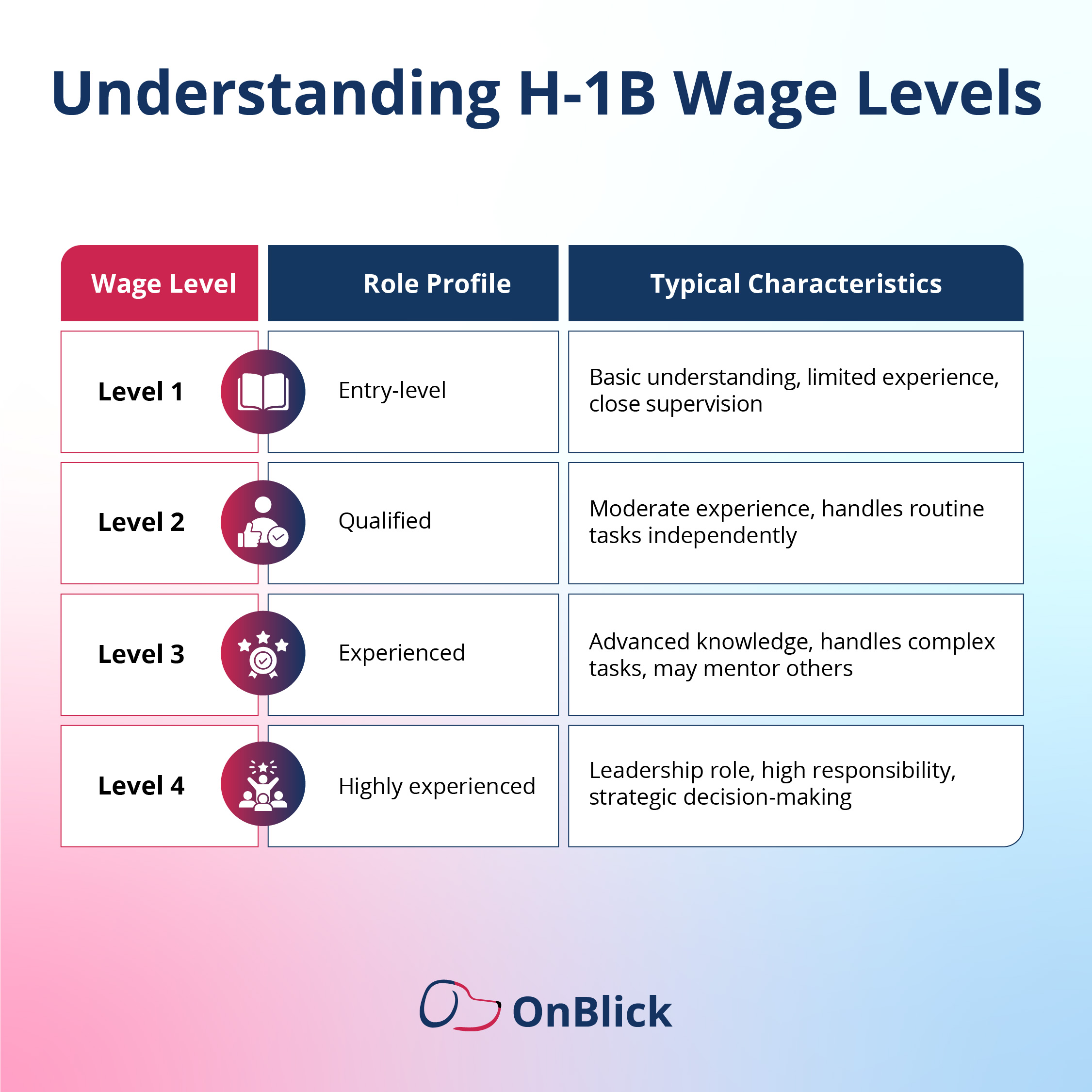
- The weighting formula (Level IV gets the best odds)
When a random selection is required, USCIS will assign the beneficiary (or petition, if registration is suspended) to an OEWS wage level and enter them into the selection pool as follows:
- OEWS Wage Level IV: entered 4 times
- OEWS Wage Level III: entered 3 times
- OEWS Wage Level II: entered 2 times
- OEWS Wage Level I: entered 1 time
Important nuance: beneficiaries are still treated as unique individuals, but their “weight” in the pool changes by wage level.
- Registrants must choose the correct wage level at registration
The final rule states that registrants must select the highest OEWS wage level that the proffered wage equals or exceeds for the relevant SOC code and area(s) of intended employment.
This is a major operational change: wage-level selection becomes a high-stakes data point at the registration stage, not just later during LCA and petition preparation.
- Multi-location roles: the “lowest wage level” rule can apply
If the beneficiary will work in multiple locations (or in multiple positions in certain agent scenarios), DHS indicates the registrant must select the lowest corresponding OEWS wage level that the proffered wage will equal or exceed.
This matters for distributed workforces, hybrid arrangements, and client-site placements where wage levels may vary by geography.
- Multiple employers registering the same beneficiary: lowest wage wins
A crucial integrity feature: if a beneficiary has multiple registrations submitted on their behalf, USCIS will assign the beneficiary to the lowest wage level among all those registrations for selection weighting.
When does the H1B New Wage Rule Start?
- Effective date: February 27, 2026
- Applies to: registrations (or petitions, if registration is suspended) submitted on or after the effective date, including advanced degree exemption registrations
- Goal: effective in time for FY 2027 registration period (March 2026)
DHS also states the final rule is issued without modifications to the regulatory text from the proposed rule.
Why DHS is making the H1B New Wage Rule
DHS frames the rule as a way to better align cap allocation with the purpose of the H-1B classification by favoring higher-skilled and higher-paid beneficiaries, while still allowing participation across wage levels.
What the H1B Wage Rule 2026 means for employers and HR
Higher wage levels matter more
Compensation, role leveling, SOC selection, and location strategy now directly influence selection probability.
Job design and workforce planning become “cap-season inputs”
Expect more internal coordination between HR, recruiting, compensation, and business leaders well before March 2026, especially for:
- entry-level pipelines
- rotating programs
- multi-location assignments
- staffing models with client-site placements
Candidate coordination becomes more important
Because a beneficiary’s weight can drop to the lowest wage level across all registrations, HR teams may need clearer communications and tighter planning with candidates to avoid surprises.
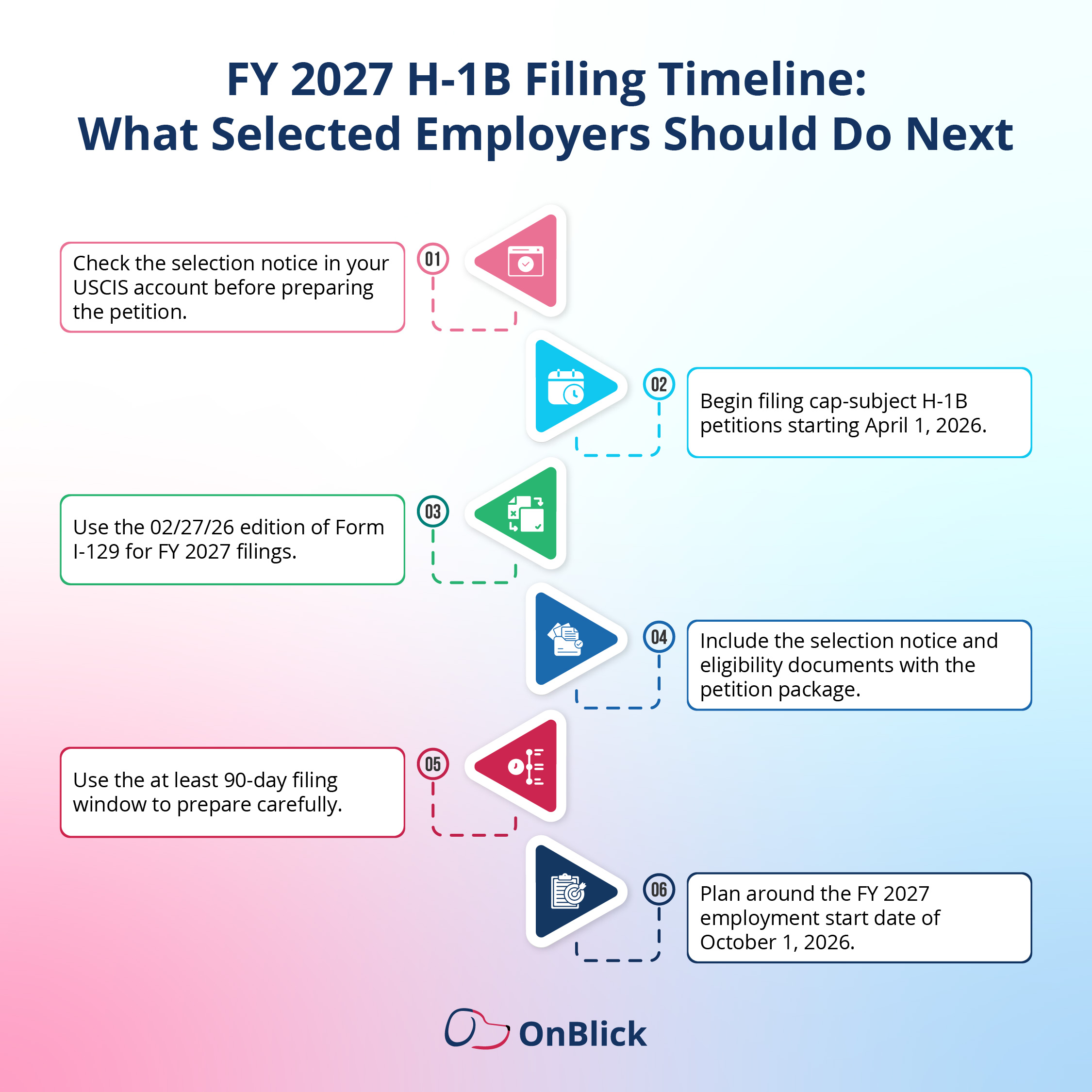
Action plan for FY 2027 H-1B Cap Season
Step 1: Confirm the role basics early
- finalize job title and core duties
- identify the correct SOC code for the position
- confirm primary and secondary worksites (if any)
Step 2: Map wage level using OEWS data tied to location
- pull OEWS wage levels for the SOC code in each relevant area of intended employment
- verify the offered wage aligns with the intended wage level selection
Step 3: Avoid multi-location surprises
If the employee will rotate locations or work across multiple sites, model how the rule drives the wage-level selection toward the “lowest corresponding” level.
Step 4: Build a wage-level evidence packet for every cap case
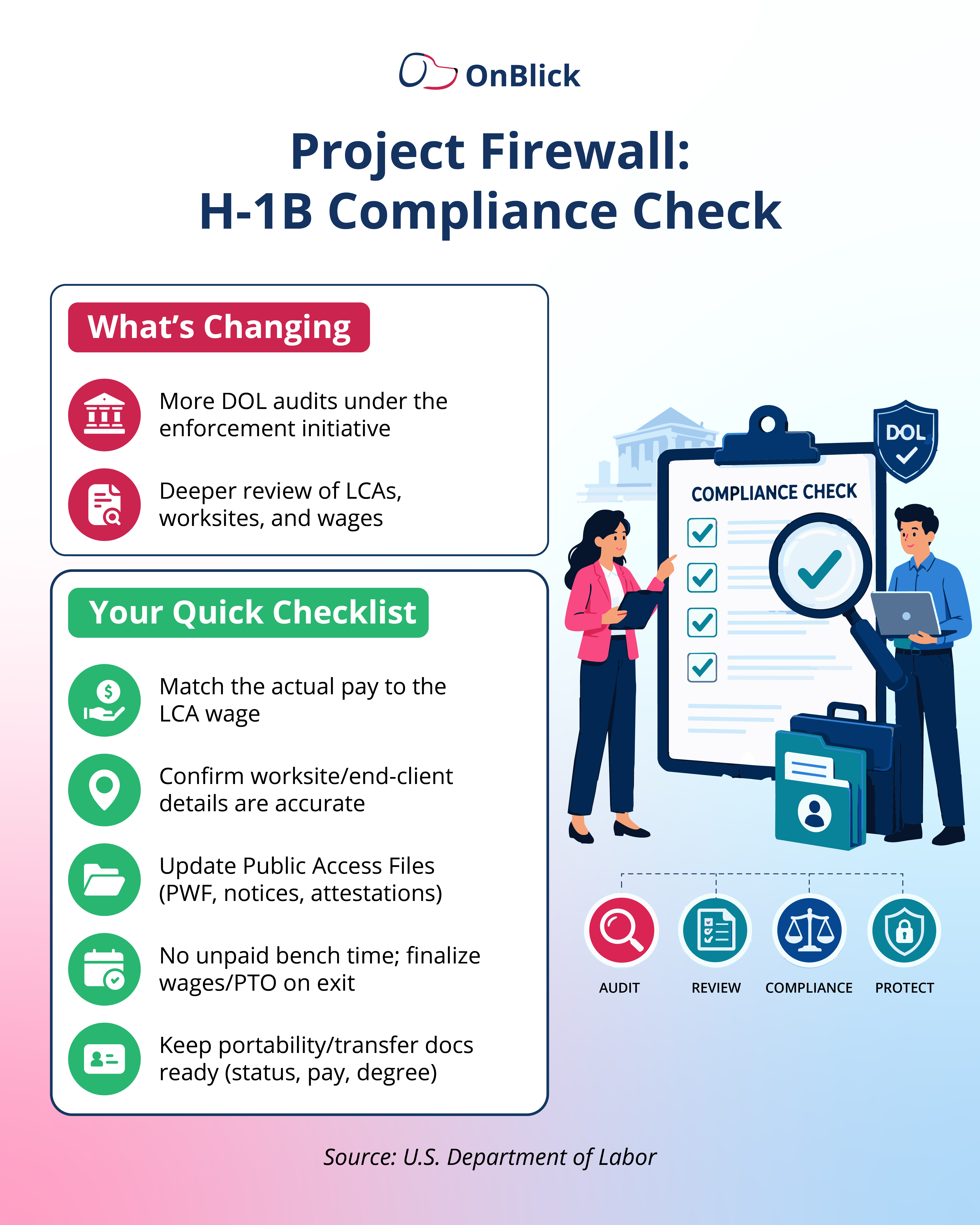
DHS points to maintaining evidence supporting wage-level selection (for example, wage search outputs for SOC + location as of the registration date).
Step 5: Tighten internal controls to reduce integrity risk
With wage-level selection now central to the lottery process, your internal review should catch:
- mismatched SOC codes
- incorrect locations
- wage-level selection that does not align with offered wage
- inconsistencies across recruiting, offer letter, LCA planning, and petition details
H1B New Wage Rule: Future Scope
More data-driven cap strategy
Expect employers to revisit compensation bands and role leveling for cap hires, and to invest more in planning for mission-critical roles that must be selected.
Increased scrutiny and downstream compliance
A more wage-driven cap process can increase attention on whether wages and job details remain consistent across:
- registration
- LCA
- petition filing
- public access file documentation (where required)
Ongoing policy and operational updates
DHS notes it plans to monitor impacts and references existing reporting mechanisms such as the annual report to Congress and USCIS data reporting.
H-1B Weighted Selection Rule: FAQs
- Does the H1B Weighted Selection Rule completely eliminate the lottery?
No. DHS still uses a selection when the cap is oversubscribed, but the odds are weighted by wage level.
- Does the H1B Weighted Selection Rule apply to master’s cap cases too?
Yes. DHS states it applies to all registrations submitted on or after the effective date, including those eligible for the advanced degree exemption.
- What happens if a beneficiary has multiple registrations by different employers?
USCIS assigns the beneficiary to the lowest wage level among all registrations submitted on their behalf for selection weighting.
- What if a job involves multiple worksites?
DHS indicates the registration should be based on the lowest corresponding wage level across the relevant locations or positions in scope.
- When does the H1B Weighted Selection Rule start?
The rule is effective February 27, 2026, and DHS states it will apply in time for the FY 2027 registration period expected to begin in March 2026.
H1B Weighted Selection Rule FY 2027: How OnBlick helps H1B employers prepare
OnBlick supports employers with end-to-end H-1B visa cap readiness and compliance workflows, including:
- Cap registration strategy and readiness planning
- SOC and wage-level validation support
- Documentation organization for audit-ready files
- Process controls to reduce inconsistencies across registration and petition stages
- Ongoing immigration compliance support that aligns HR, legal, and operations
If you are planning FY 2027 cap filings, it is the right time to align your role planning, wage strategy, and documentation so your registrations are accurate and defensible under the new selection framework.
OnBlick will continue to monitor this final rule and offer more details as they become available.
If you wish to know more about our H1B case management and immigration services, book a free OnBlick demo today.



.png)


