.gif)

.png)

Development and changes in the HR policy of an organization play a key role in the work performances of the employees and the workplace culture. Organizations often strive to create flexible HR policies that can help them achieve the right work balance.
There are innumerable HR policies and it might be taxing to find the practices that need to be altered. Heeding to their specific needs, some key points can help businesses determine HR policies that can be redefined.
In this blog, we define flexible HR policies, their advantages, and how you determine the policies that can be made flexible based on your business goals.
What is Flexibility in HRM?
- Flexible HRM can be defined as practices that may directly or indirectly affect the behaviors and learning capabilities of employees in an organization. It may involve flexible arrangements of employee structure, mode, training, and incentive plans. Flexibility in human resources was first studied in the 1990s where the base of the research was resource theory and core competence theory.
- David Guest, in his HRM model, defines three aspects of flexibility consisting of organizational design, job design, and the motivations and attitudes of the employees. Flexible HR practices can include HR functions like recruitment, career and succession planning, pay structure, organizational structure and design, and workplace timings. A study published in the Journal of Occupational and Organizational Psychology revealed that flexibility HRM can improve engagement in young employees and enhanced job performance in older employees.
- Flexible HR practices can help businesses create, integrate, reconfigure, and build a human resource base. This can prove to be a form of sustainable competitiveness. Customized training and development programs are useful tools for achieving a competitive place in the industry. It provides a pathway for HR practices that considerably receive less attention despite their advantages.
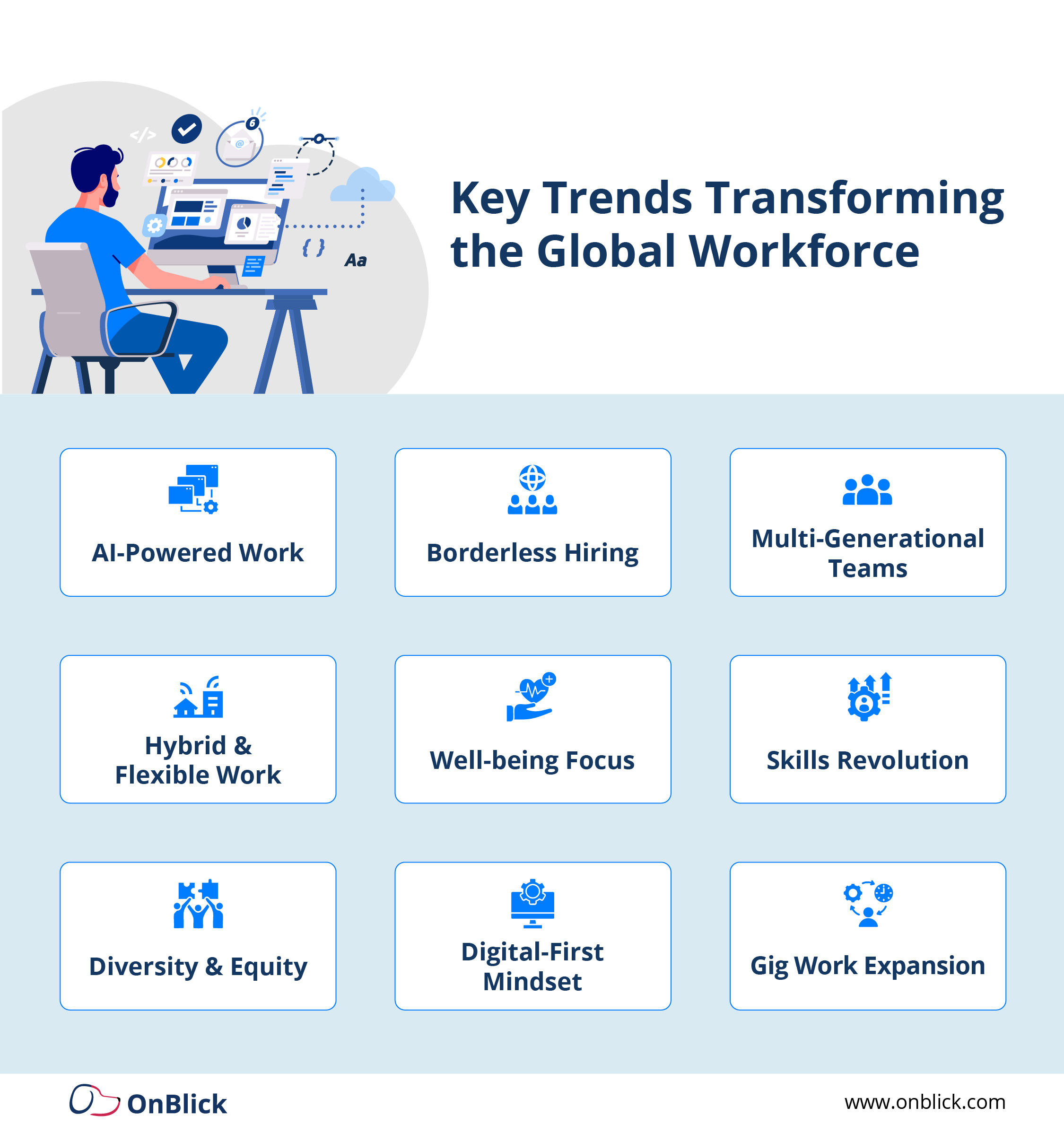
Why is Flexibility Important in HR Policies?
- The need for flexible HR policies arises when organizations want to address employee needs through customized employee services and offerings. It may result in the employees feeling satisfied, motivated, productive, and committed towards their work.
- Prashant Srivastava, President of Human Capital, Reliance Group, pointed out that to meet the changing demands of markets and customers, HR strategies and business plans have to be dynamic and flexible.
- Businesses today face many challenges while adapting to uncertain, and complex work environments. Flexible HR practices allow them to make work more adaptable and improve the learning capabilities of the employees. Compared to traditional human resource practices, flexible characteristics instill qualities like cooperation, harmony, and sensitivity among the workforce.
Main Advantages of Flexible HR Policies
Flexible HR policies can help businesses create a more adaptable, productive, and employee-friendly workplace. When implemented well, they support both organizational performance and employee satisfaction.
Better Workforce Planning
Flexible HR policies allow businesses to assign employees based on skills, availability, workload, and business priorities rather than fixed schedules or rigid work arrangements. This helps organizations respond faster to changing demands, seasonal workloads, project needs, and employee preferences.
Improved Work-Life Balance
Flexible work practices give employees more control over how they manage professional and personal responsibilities. This can reduce stress, improve job satisfaction, and help employees stay engaged without feeling forced to choose between work and life commitments.
Higher Employee Productivity
When employees have flexibility in how, when, or where they work, they are often better positioned to focus on outcomes rather than simply completing fixed hours. This can improve accountability, encourage ownership, and help teams work more efficiently.
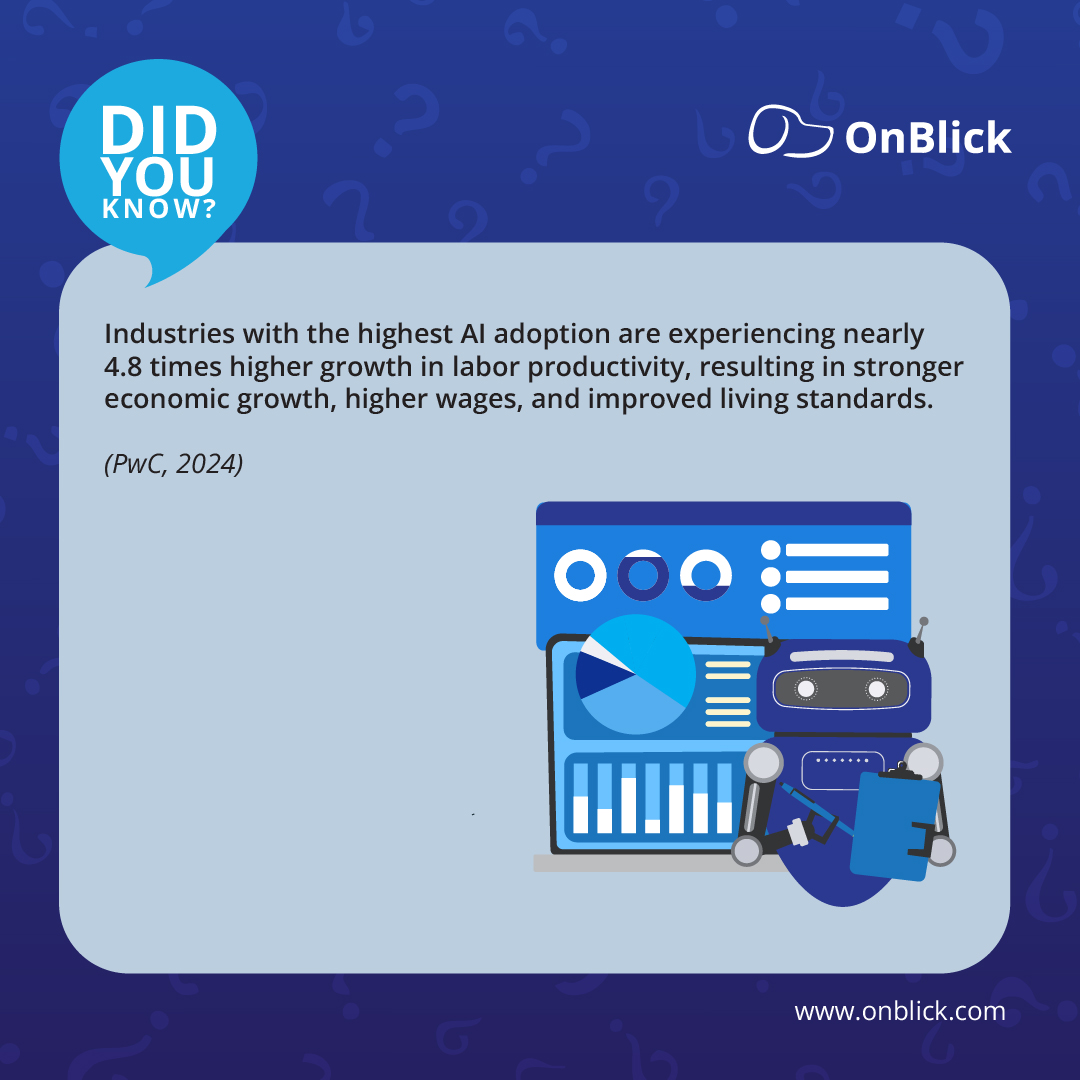
Stronger Employee Retention
Flexible policies can make employees feel trusted, respected, and supported. This can improve loyalty and reduce turnover, especially among employees who value flexibility due to family responsibilities, health needs, commute challenges, or personal commitments.
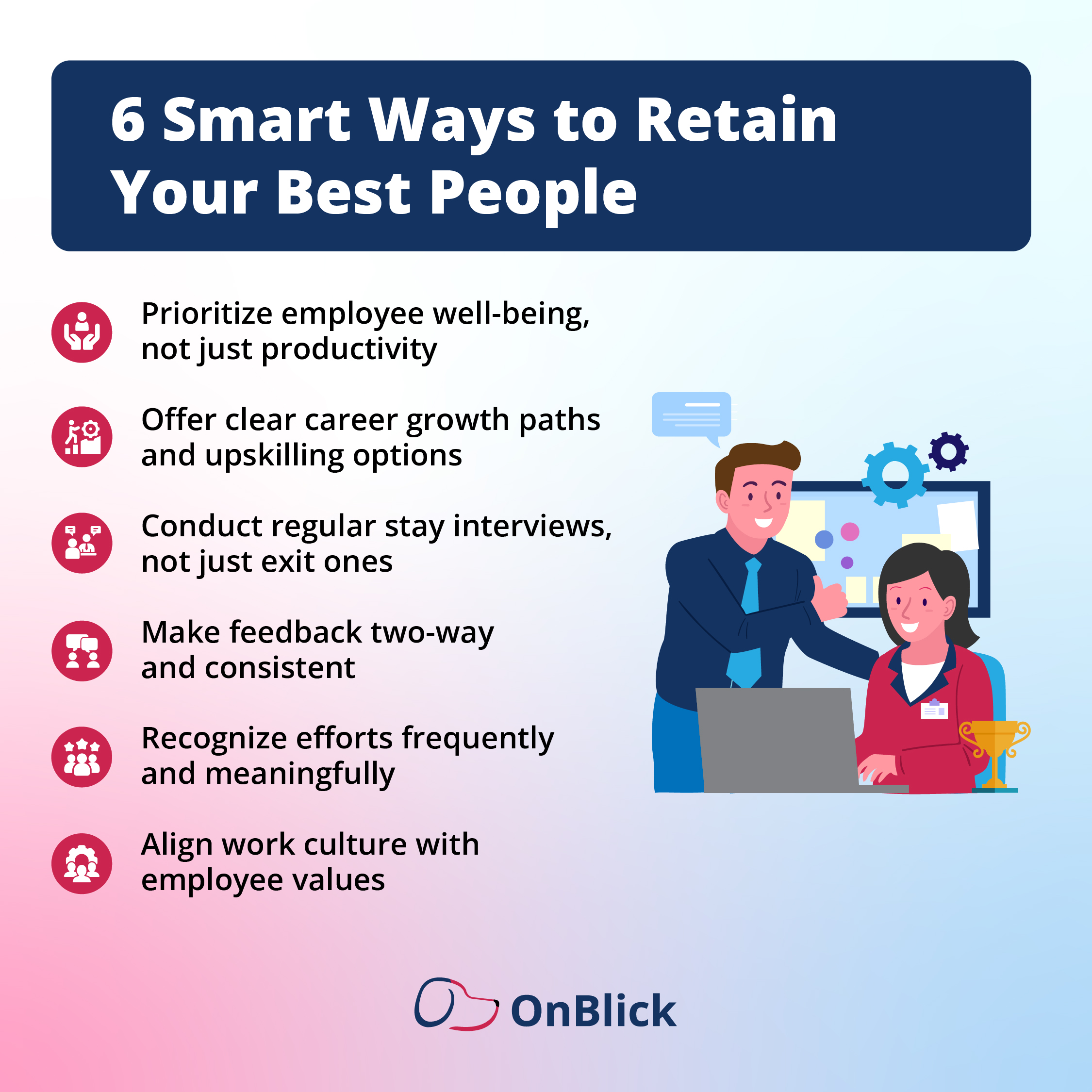
More Inclusive Workplace Practices
Flexible HR policies can support a wider range of employees, including working parents, caregivers, people with disabilities, remote workers, and employees in different locations or time zones. This helps organizations build a more inclusive and accessible workplace.
Better Business Adaptability
Flexible HR practices help companies adjust to business changes without disrupting operations. Whether it is remote work, hybrid teams, flexible hours, leave arrangements, or role-based work models, flexibility allows businesses to stay responsive while continuing to meet organizational goals.
How to Choose Flexible HR Policies?
In order to pick flexible HR policies, employers can consider the following factors:
- How does the policy fit into their organizational goals
- Illegal activities should be included in non-negotiable policies
- The policies should be fair and equitable for all employees
- Understand the needs of the employees and what changes they would prefer
- Policies should be reviewed at regular time intervals to see that they reach intended work goals
- There have to be exceptions with some non-negotiable policies for extraordinary candidates
- Policy exceptions should fit in with the core values of the company
- It should be enhancing the company’s customer service
Conclusion
The pandemic has brought firms to bring major changes in their work policies. It may be an indication that their business policies be reviewed and challenged with changing times.
Flexible HR policies aim to motivate the employees to protect and acquire new resources that may improve their work. They provide the workforce the freedom to achieve their work goals while, at the same time, maintain control over their work. Flexible policies may have a positive impact on employee behavior and their adaptability towards their work. Implementing flexible policies may bring in some positive market-related outcomes as well.
How Does OnBlick Ensure Flexible HR Practices?
OnBlick helps businesses manage flexible HR practices with tools for employee self-service, timesheets, leave management, onboarding, and compliance workflows. With the right HR support in place, employers can adapt policies while keeping workforce processes organized and accountable.
Book a free OnBlick demo to learn more